An archipelago of over 7,000 islands with rich culture, history, and stunning landscapes.
The Philippines is located in Southeast Asia in the western Pacific Ocean. Manila is the capital, and Quezon City is the most populous city. Major regions include Luzon, Visayas, and Mindanao, each with unique landscapes and cultures.
Islands
Population
Major Regions
Largest Cities
Languages
Catholic
2 Seasons
Main Ethnic
Major historical periods and events that shaped the nation.
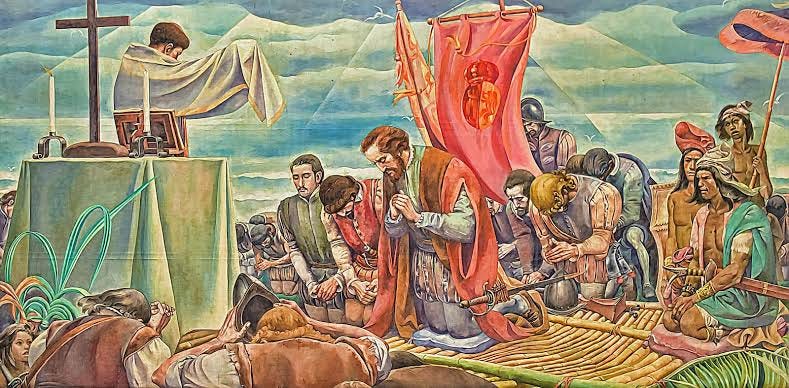
Spanish Colonization
Spain ruled the Philippines for over 300 years, introducing Christianity, architecture, and Western culture.
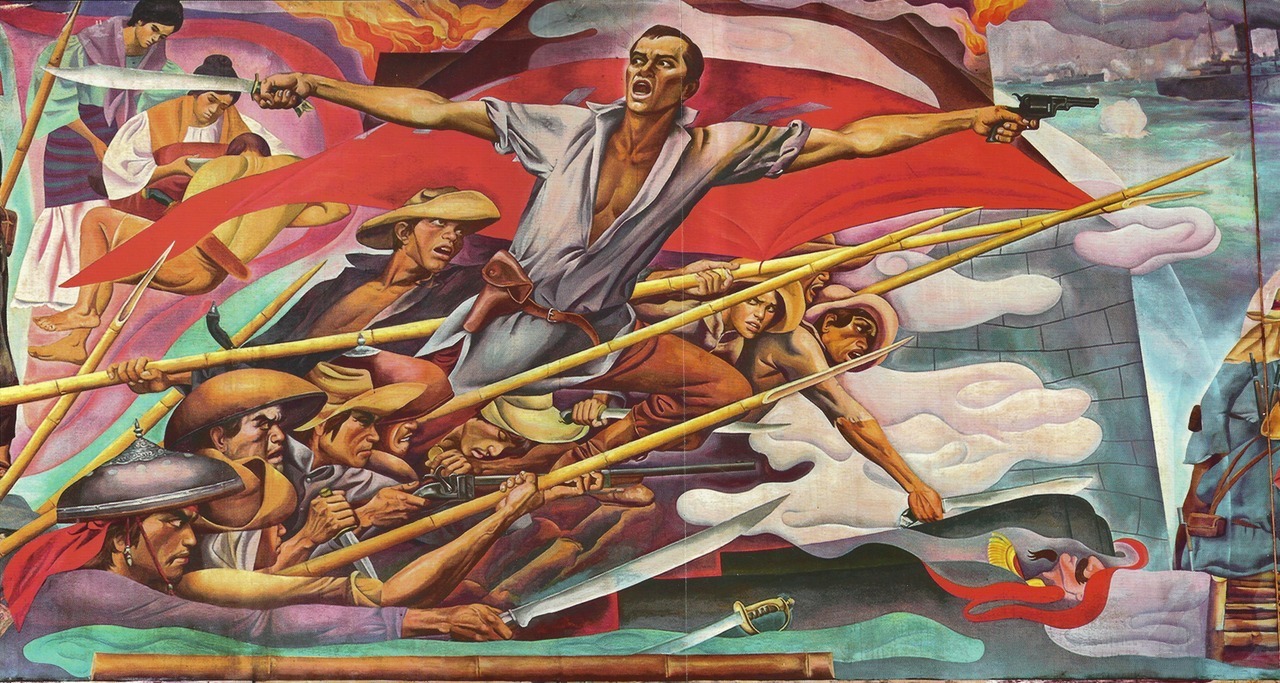
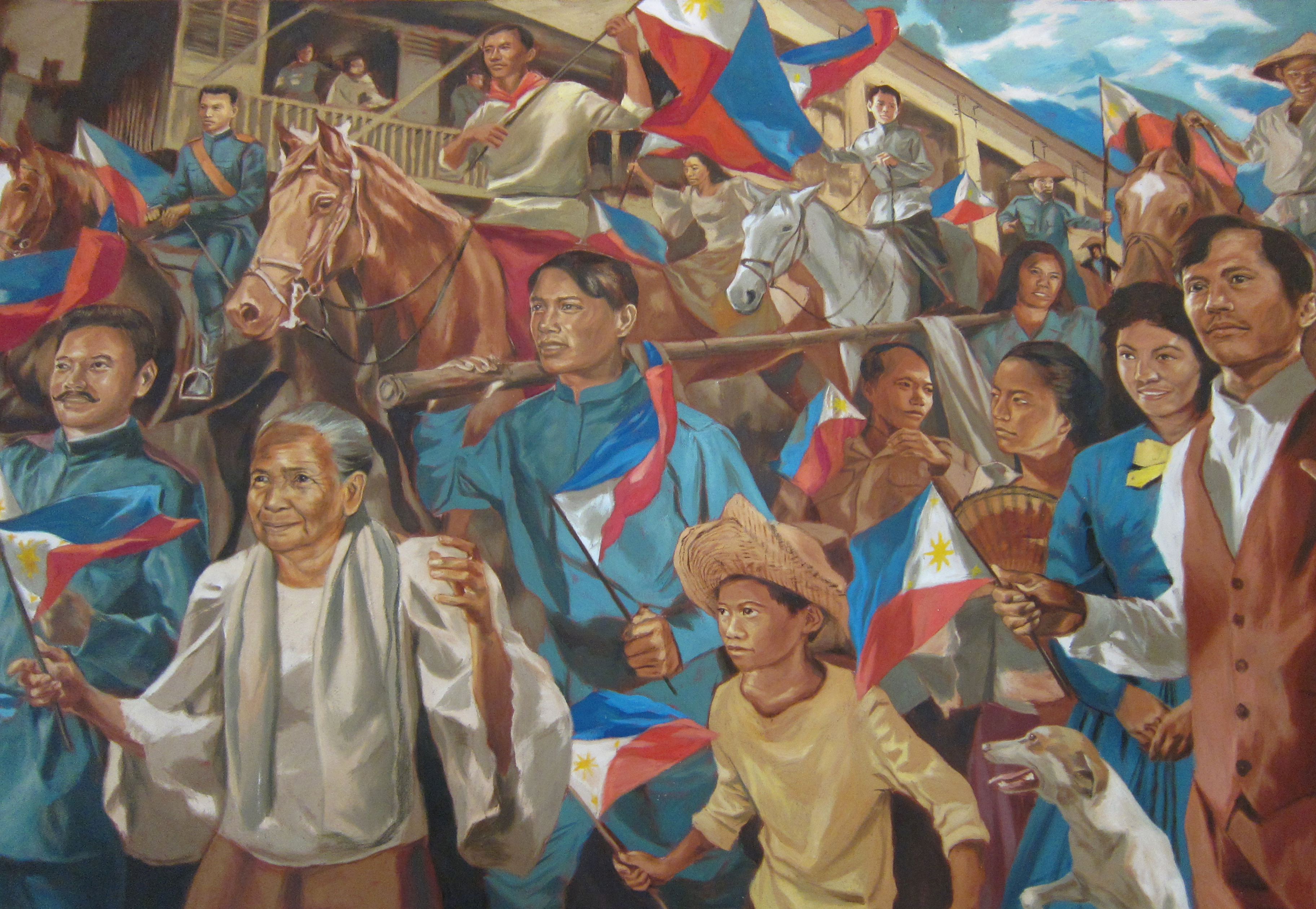
Revolution & Independence
Filipinos fought against Spanish rule, leading to the declaration of independence on June 12, 1898.
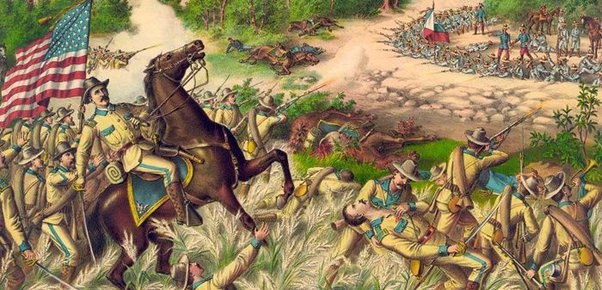
American Period
The U.S. introduced English, modern education, and new infrastructure while preparing for independence.
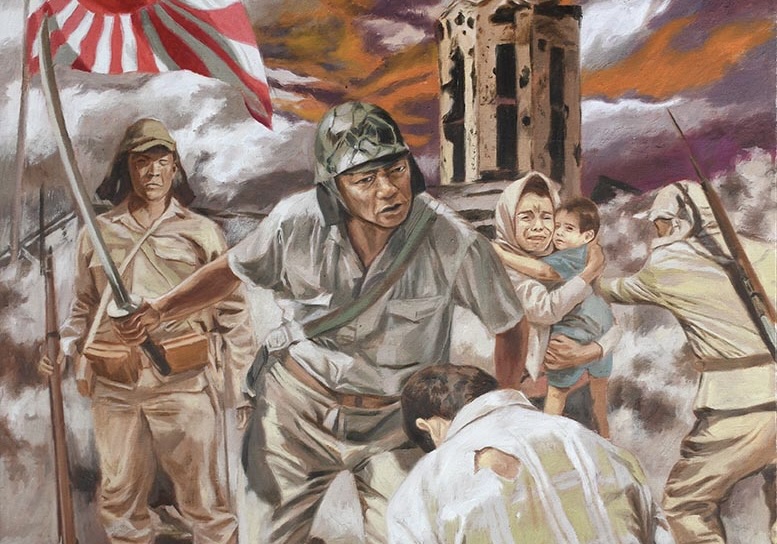
Japanese Occupation
During WWII, Japan occupied the Philippines. Filipinos resisted while Allied forces eventually liberated the country.
Post-Independence
The Philippines gained full independence, experienced political changes, and developed its modern culture and economy.

Explore the must-see natural and cultural wonders.
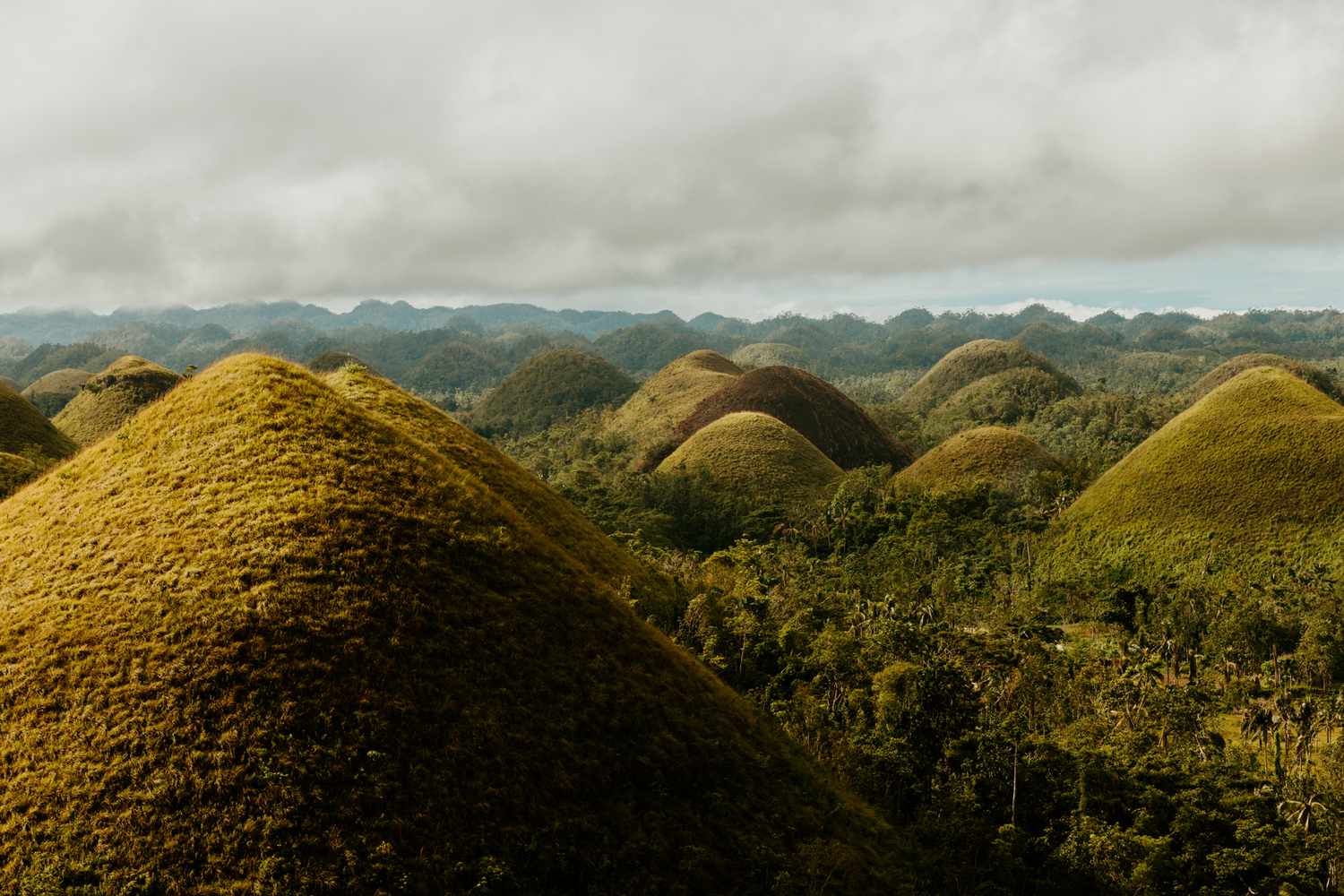
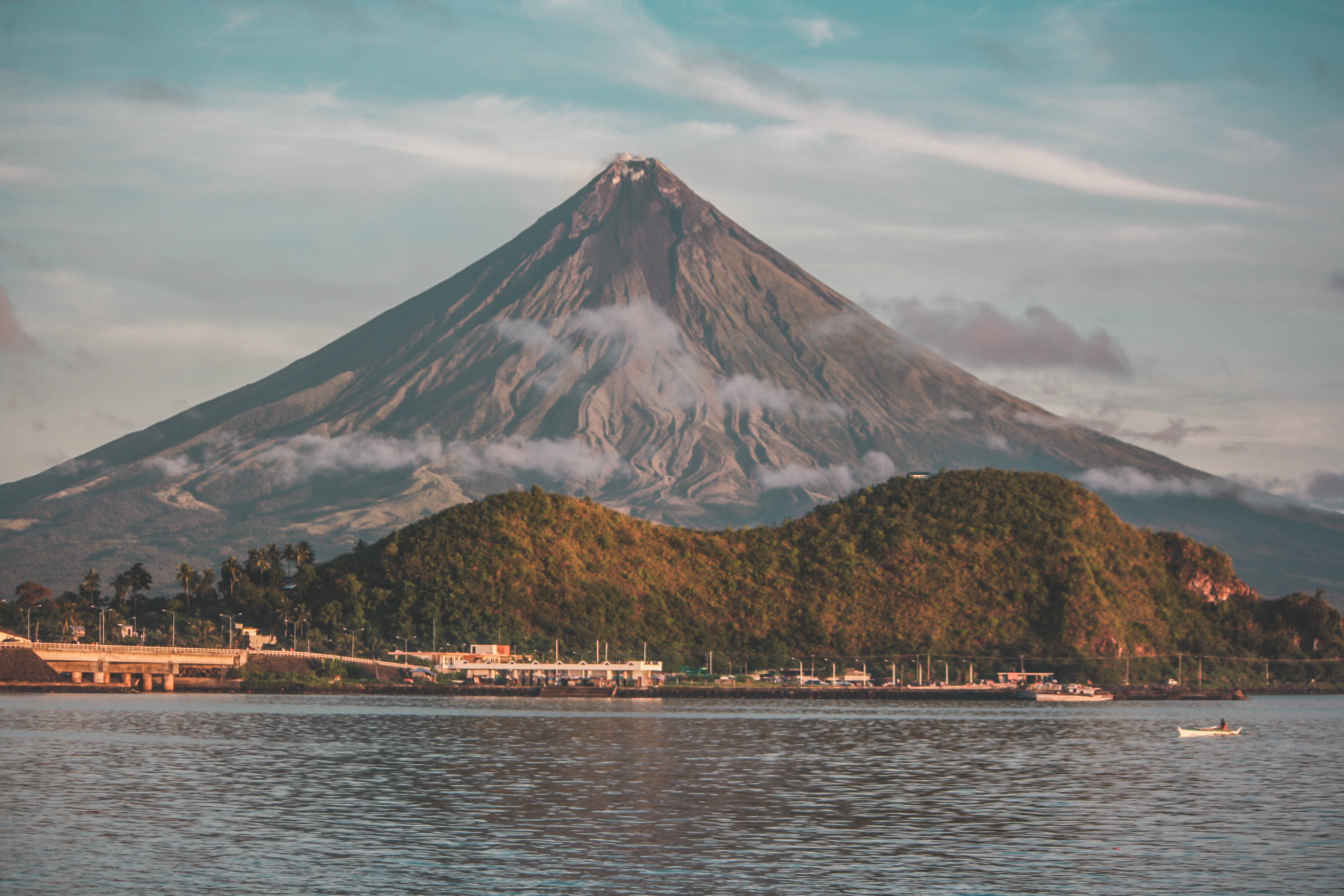
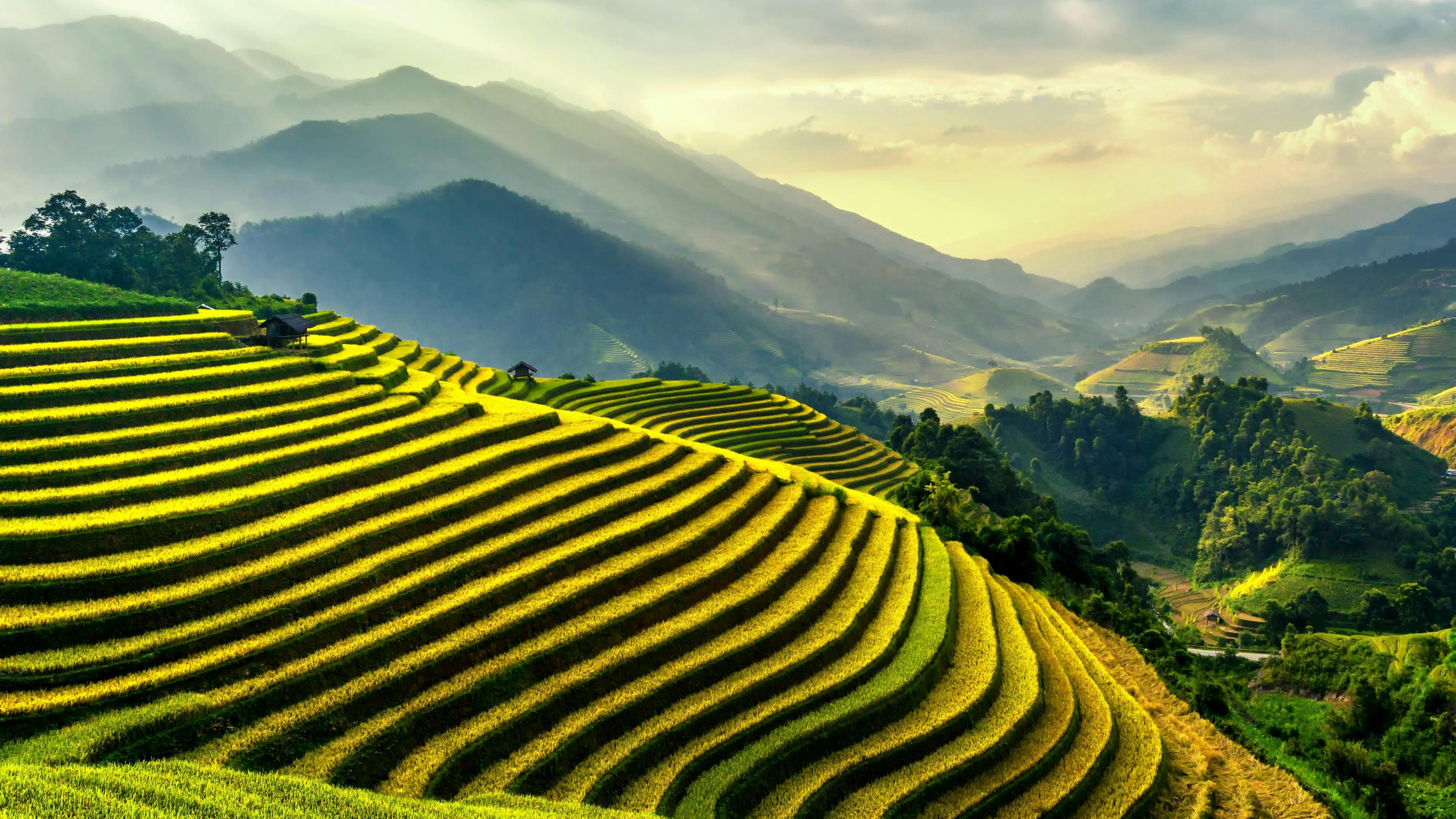
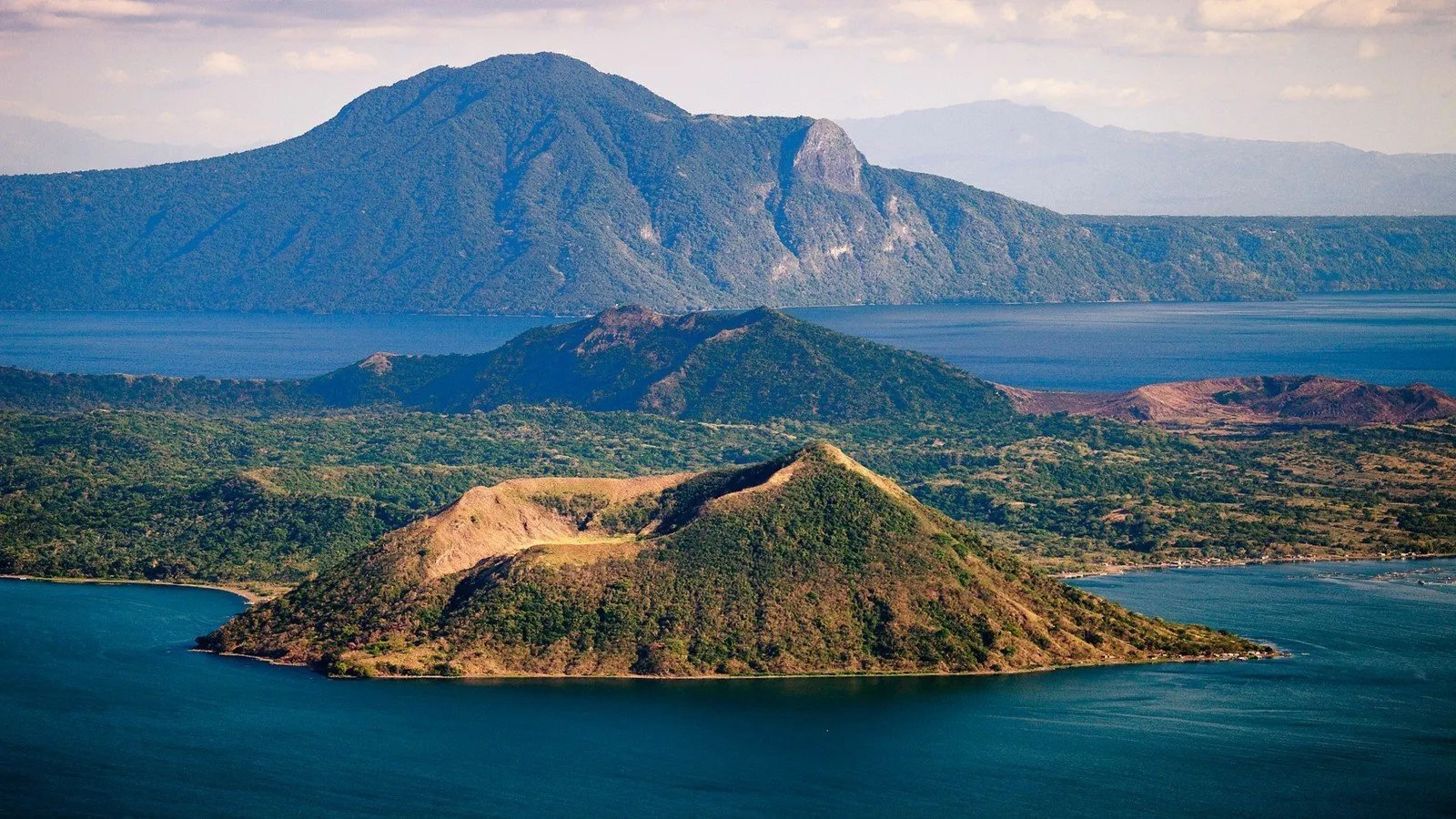
From ancient rice terraces to volcanoes rising from lakes, to pristine reefs teeming with marine life — these seven wonders showcase the beauty, history, and diversity of the archipelago.
Experience the rich flavors of the Philippines through its iconic food.
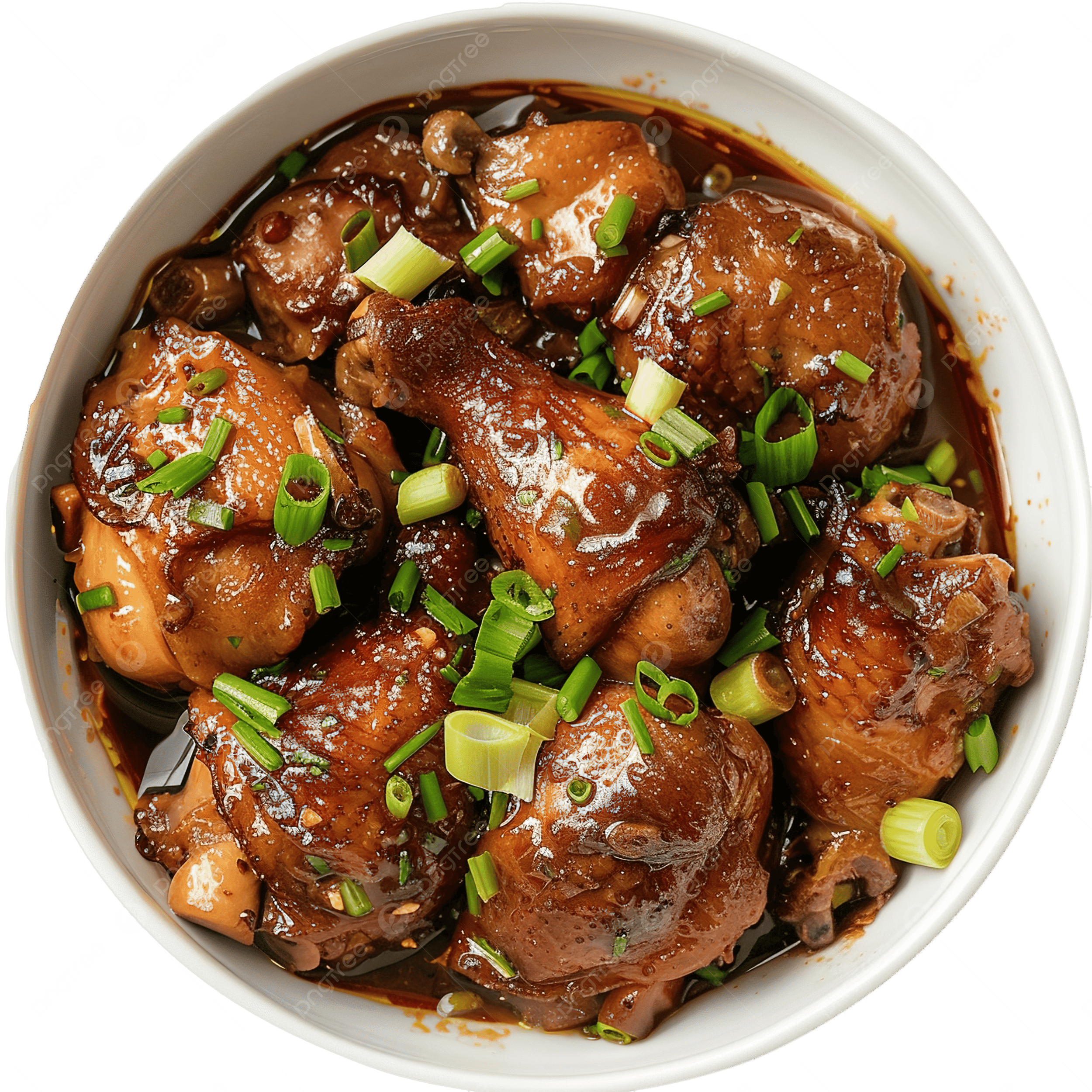
Chicken or pork simmered in vinegar, garlic, soy sauce, and peppercorns. The unofficial national dish.
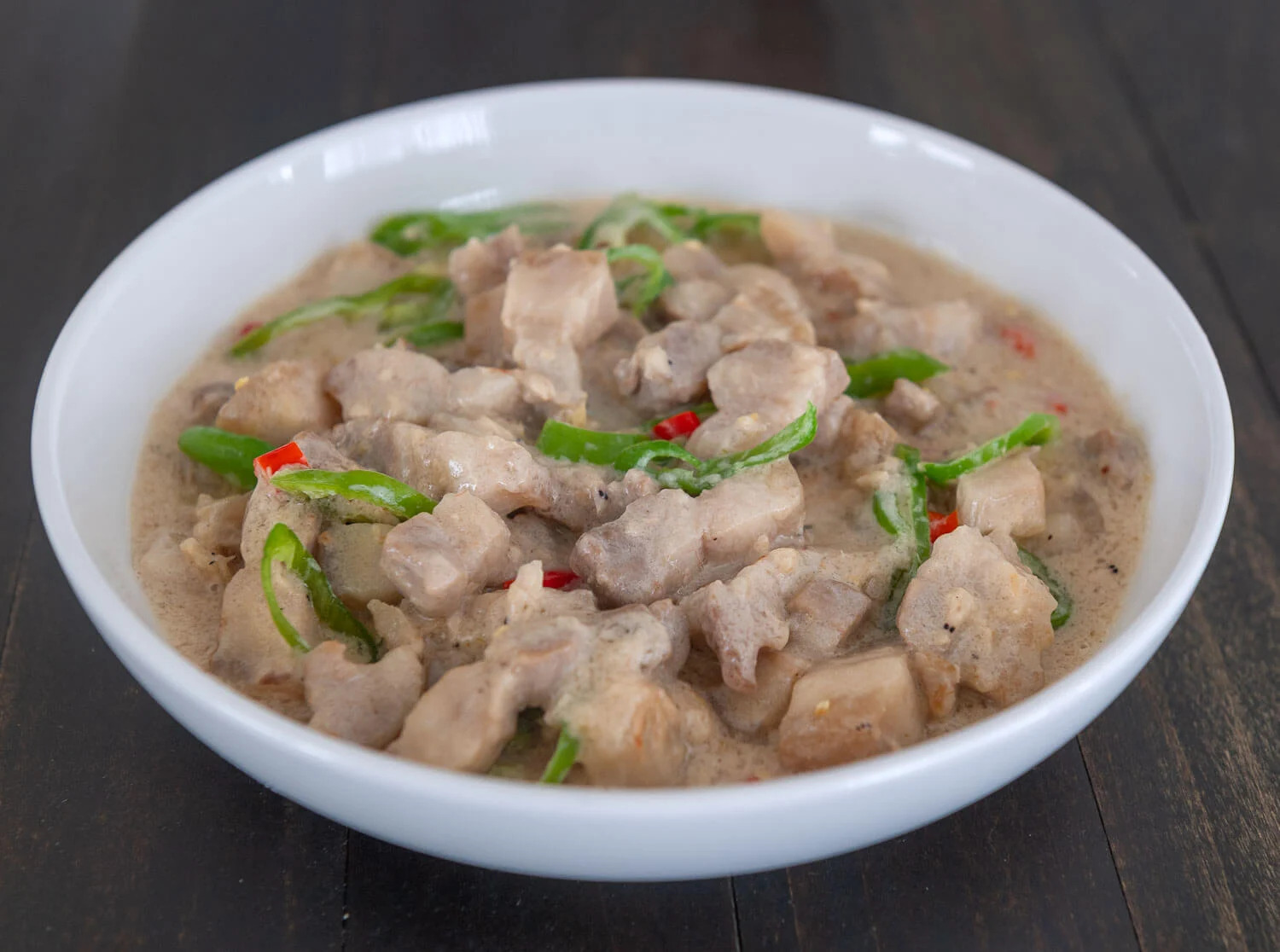
Spicy pork stew with coconut milk, chilies, shrimp paste, tomatoes, and garlic. A fiery Bicolano specialty.
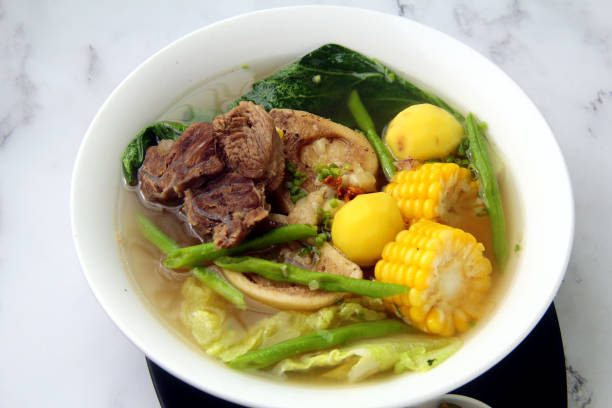
Beef shank soup with bone marrow, vegetables, and corn. Comfort food best enjoyed with garlic rice.
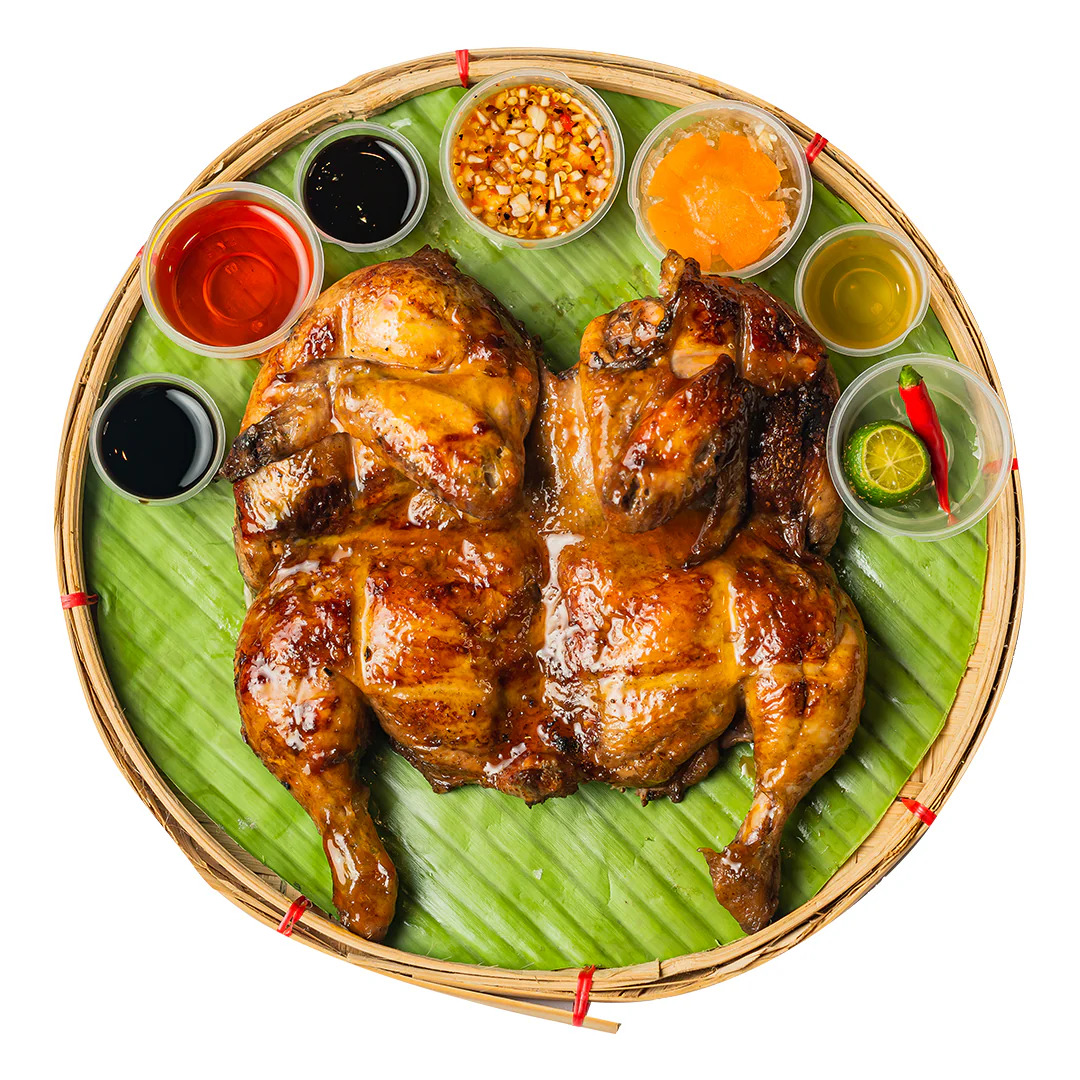
Grilled chicken marinated in calamansi, ginger, lemongrass, and annatto oil. Native to the Visayas.
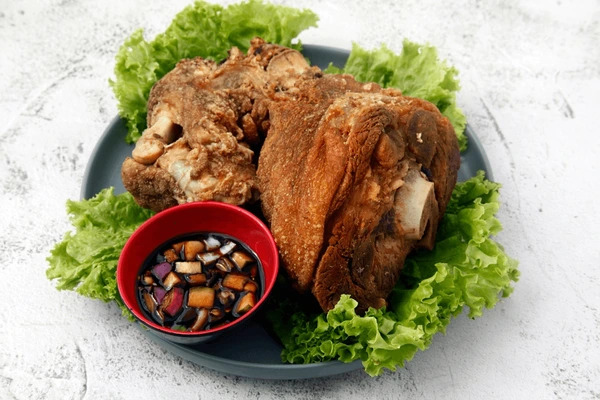
Deep-fried pork leg with crunchy skin and tender meat, served with pickled papaya and vinegar-soy sauce.
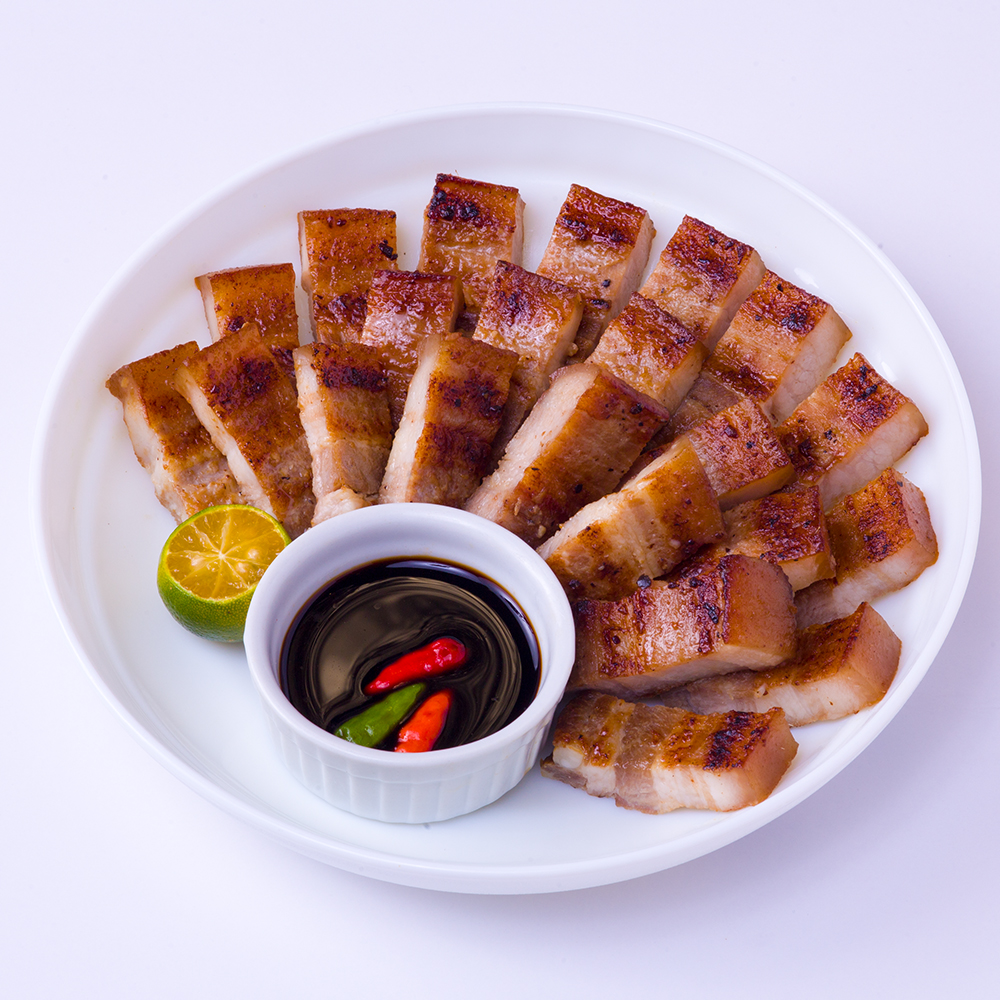
Grilled pork belly with a savory marinade, served with sawsawan or spiced vinegar.
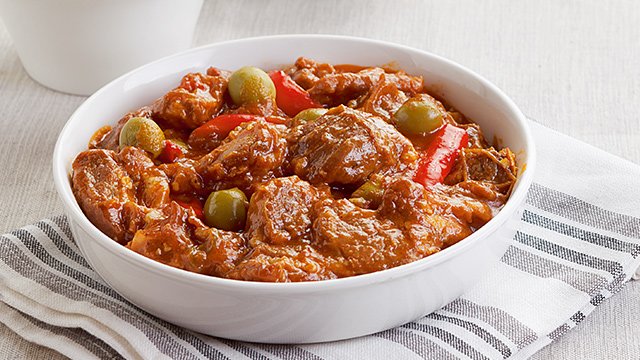
Meat stew with vegetables, tomato sauce, and liver paste. Can use beef, chicken, pork, or goat.
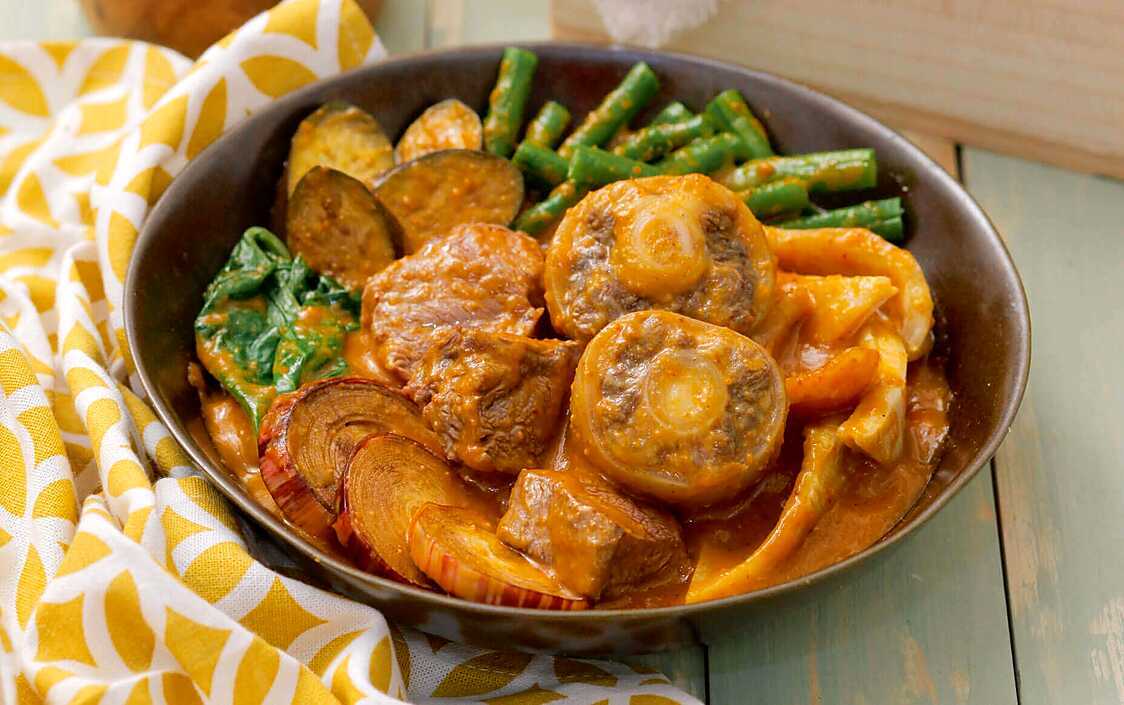
Hearty peanut sauce stew with meat and vegetables, traditionally served with shrimp paste.
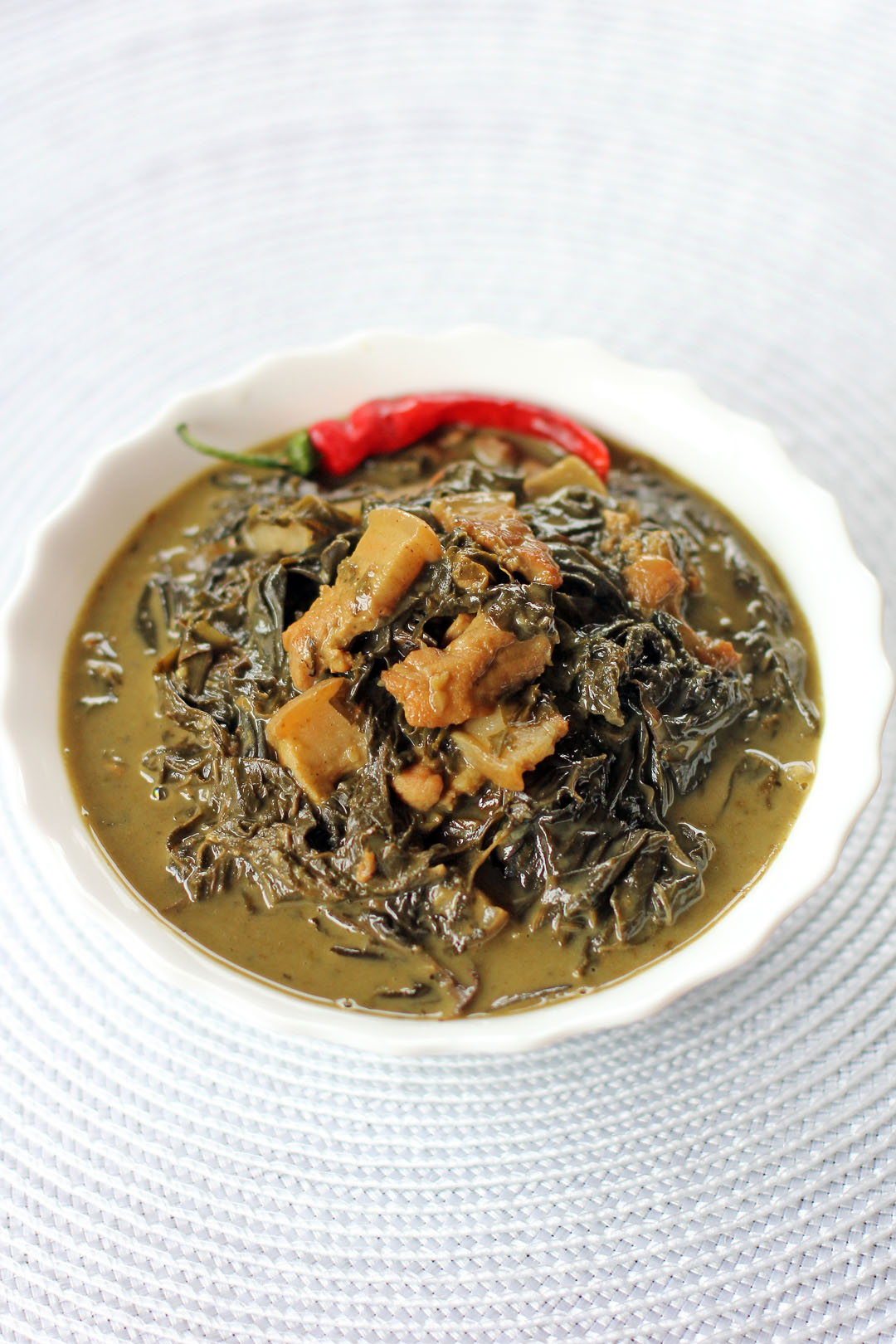
Taro leaves simmered in coconut milk with chili, garlic, ginger, and shrimp paste. Originates from Bicol.
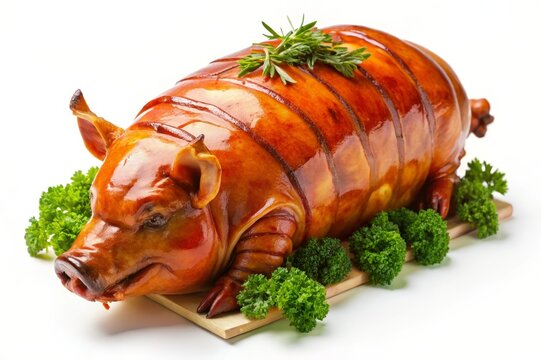
Roasted whole pig with crispy skin. A festive centerpiece and iconic Filipino delicacy.
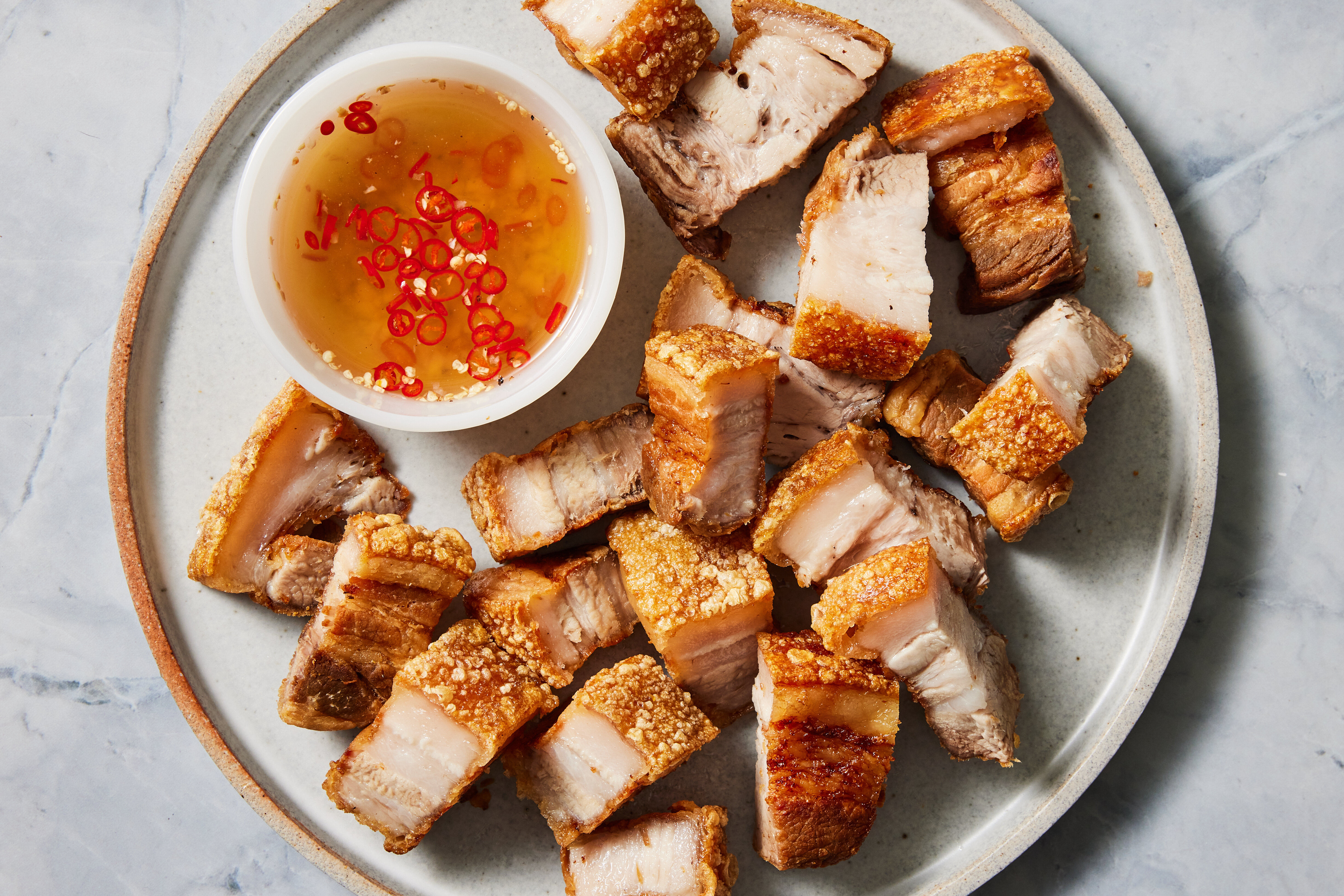
Deep-fried pork belly with crispy skin, usually served with soy-vinegar sauce or pork liver sauce.
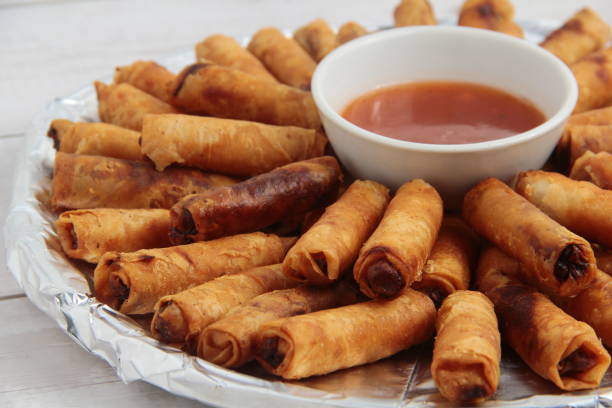
A deep-fried spring roll filled with vegetables and minced meat. A must-have appetizer at Filipino parties.
Discover the beauty and culture of the Philippines. Plan your visit and explore the islands, beaches, and historic sites that make this country unique.